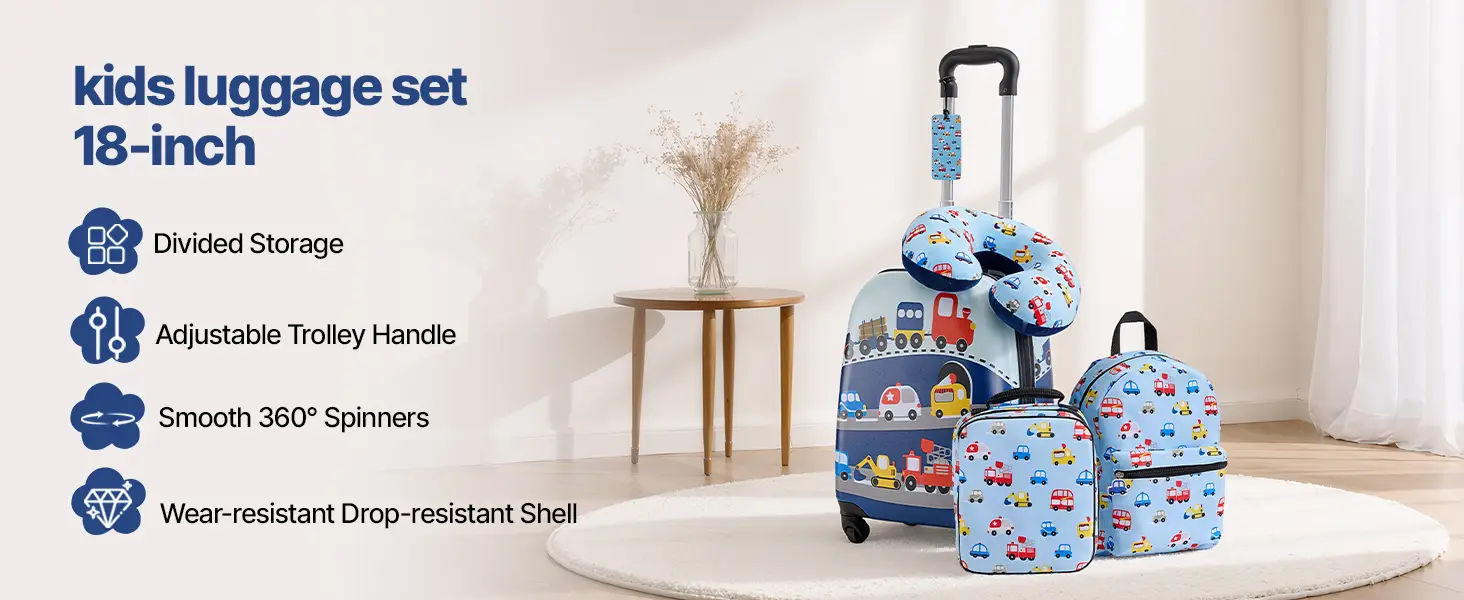
Traveling with a child can be a wonderful opportunity to create lasting memories, experience new places, and enjoy quality time together. It can also feel overwhelming when you consider packing, transportation, meals, sleep schedules, unexpected delays, and keeping your child entertained. The good news is that family travel does not have to be stressful. With thoughtful preparation, realistic expectations, and the right essentials, you can make the journey more comfortable for everyone.
Whether you are taking a road trip, flying to a new destination, or visiting relatives for the weekend, these practical tips can help you prepare for a smoother experience.
Children often feel more comfortable when they know what to expect. Although it may not be possible to maintain your child’s exact routine while traveling, planning around familiar meal, nap, and bedtime schedules can make a significant difference.
Driving: Consider leaving shortly before nap time so your child can sleep during part of the trip.
Flying: Look for a departure time that works with your child’s usual energy level. An extremely early flight may be less expensive, but it could create an overtired, uncomfortable child before the journey even begins.
Flexibility: Build extra time into your schedule for diaper changes, bathroom breaks, meals, and movement. Avoid over-scheduling to give your family room to rest and adjust when things take longer than expected.
Older babies, toddlers, and school-aged children feel more relaxed when they understand what is happening. Talk about the trip in simple, positive terms—explain how you will travel, where you are going, who you will see, and how long the journey may take.
Visual Preparation: Show pictures of airplanes, hotels, trains, or your destination.
Airport Expectations: For first-time flyers, explain basic steps like checking bags, going through security, waiting at the gate, and sitting on the plane.
Manage Expectations: Explain that while there might be waiting periods, you will bring activities, snacks, and comforting items to pass the time.
Packing too much can make family travel difficult, while packing too little may leave you stranded without supplies. Create a checklist several days before departure and organize items by category.
Keep frequently needed supplies in an accessible diaper bag, backpack, or carry-on:
Diapers, wipes, and a changing pad
Extra clothing for your child AND a spare shirt for yourself
Snacks, drinks, and feeding supplies
Medications, tissues, hand sanitizer, and small trash bags
Pacifiers or favorite comfort items (plus backups for easily lost items)
Packing Tip: Place clean outfits in resealable plastic bags to keep them organized and protected. You can reuse the empty bags to hold wet or soiled clothing later.
Dress your child in soft, breathable layers that are easy to add or remove. Temperatures fluctuate frequently between cars, airport terminals, airplane cabins, hotels, and the outdoors.
Avoid clothing with complicated buttons, tight waistbands, or difficult fasteners to speed up bathroom trips and diaper changes.
Choose comfortable, supportive shoes, especially if your child will be walking through large airports or exploring destinations.
Pack a light sweater or jacket even when traveling to warm locations, as air-conditioned spaces can feel chilly.
Hunger can quickly turn an uncomfortable journey into a meltdown. Pack a variety of familiar, age-appropriate snacks that are easy to serve and low-mess.
Snack Ideas: Crackers, cereal, fruit pouches, sliced fruit, sandwiches, and snack bars.
Quantity: Bring more snacks than you anticipate needing to handle unexpected traffic, flight delays, or limited food choices.
Hydration: Pack refillable water bottles (check airport security guidelines beforehand).
Stick to the Familiar: Avoid introducing new or unfamiliar foods on travel days to prevent stomach upsets.
A small collection of activities helps make long periods of sitting manageable. Introduce activities one at a time to renew their interest when boredom strikes.
Low-Tech Activities: Coloring books, reusable sticker sets, magnetic drawing boards, picture books, activity pads, and small toys.
Digital Media: Download movies, games, music, or audiobooks before leaving home in case Wi-Fi is unavailable.
Tech Accessories: Pack child-friendly headphones, ensure all devices are fully charged, and bring a portable power bank for backup power.
Car Seat Check: Confirm your child’s car seat is installed correctly and is appropriate for their age and size. Never place unapproved cushions, head supports, or bulky coats beneath the harness.
Planned Breaks: Schedule regular stops so children can stretch, use the restroom, or have a diaper change.
In-Car Comfort: Use vehicle-approved window shades to reduce sun glare, maintain a comfortable temperature, and play familiar audiobooks or music to keep the mood calm.
Check Policies: Review airline baggage, stroller, car seat, and family-boarding guidelines ahead of time. Keep travel documents together in a secure, easy-to-reach pouch.
Strollers & Carriers: A stroller makes navigating large airports much easier and can usually be gate-checked. A soft baby carrier is great for keeping your hands free.
Ear Pressure Relief: Swallow actions help relieve ear discomfort during takeoff and landing. Nurse, bottle-feed, offer a cup, give a pacifier, or provide an age-appropriate snack during ascent and descent.
Sleeping in an unfamiliar setting can be tough for young children. Recreate your familiar bedtime routine by bringing pajamas, storybooks, white noise machines, and favorite comfort items.
If you require a crib or portable playard, confirm availability with your accommodation in advance and inspect it before use.
Follow safe-sleep guidelines for infants—keep loose bedding, pillows, and stuffed animals out of the sleep area.
Be patient on night one, as new lighting, ambient noises, and surroundings can temporarily disrupt sleep patterns.
Pack necessary medications in their original containers in your carry-on or personal bag—never in checked luggage.
Bring basic first-aid supplies, sunscreen, insect repellent, and any specialized medical gear.
Save contact details for your pediatrician, hotel, airline, and local emergency services.
Inspect New Spaces: Hotel rooms and vacation rentals are rarely baby-proofed. Inspect electrical outlets, cords, furniture stability, balconies, windows, and cleaning supplies immediately upon arrival.
Traveling with children rarely goes 100% according to plan. Spills, tears, missed naps, and flight delays happen. Focus on progress over perfection, stay calm, and treat unexpected bumps in the road as part of the family adventure. With careful planning and a flexible mindset, you can create a joyful and memorable journey for the whole family.