Play is one of the most important parts of childhood. Through play, children explore their surroundings, practice new skills, express emotions, solve problems, and build relationships. The right toys can support this natural learning process by encouraging movement, curiosity, creativity, communication, and independence.
Choosing age-appropriate toys does not mean that every child must play with the same items at the same time. Children develop at different rates and have their own interests, strengths, and needs. Age recommendations can provide a helpful starting point, but parents and caregivers should also consider a child’s abilities and personality.
From simple sensory toys for babies to creative projects for older children, every stage of development offers new opportunities for meaningful play.
During the first six months, babies learn primarily through sight, sound, touch, and movement. They begin recognizing faces, following objects with their eyes, reacting to sounds, reaching for items, and developing greater control over their hands and bodies.
Top Toy Choices: High-contrast cards, soft rattles, lightweight grasping toys, baby-safe mirrors, textured fabric books, and play mats.
Visual Development: Toys with contrasting colors can be especially engaging because young babies are still developing their vision.
Physical Development: Tummy-time mats and floor gyms encourage babies to lift their heads, strengthen their upper bodies, and practice reaching. A soft toy placed nearby may motivate a baby to turn, stretch, or eventually roll.
Safety First: Choose toys that are lightweight, washable, securely constructed, and free from small parts. Babies frequently explore objects with their mouths, so toys should be made from baby-safe materials and inspected regularly for damage.
Between six and twelve months, many babies learn to sit independently, transfer objects between their hands, crawl, pull themselves up, and respond to simple words. Toys that encourage movement and cause-and-effect discovery can be especially valuable.
Exploration Toys: Stacking cups, soft blocks, rolling balls, activity cubes, simple musical toys, and large shape sorters. Babies may enjoy dropping objects into containers, knocking down small towers, pressing buttons, or watching a ball roll across the floor.
Early Literacy: Board books with thick pages introduce babies to pictures, sounds, and early language. Reading together creates a comforting routine and strengthens the connection between caregiver and child.
Gross Motor Support: Push toys can support children who are beginning to stand and walk, but they should be stable and used with close supervision. Avoid traditional wheeled baby walkers that allow rapid movement near unsafe areas.
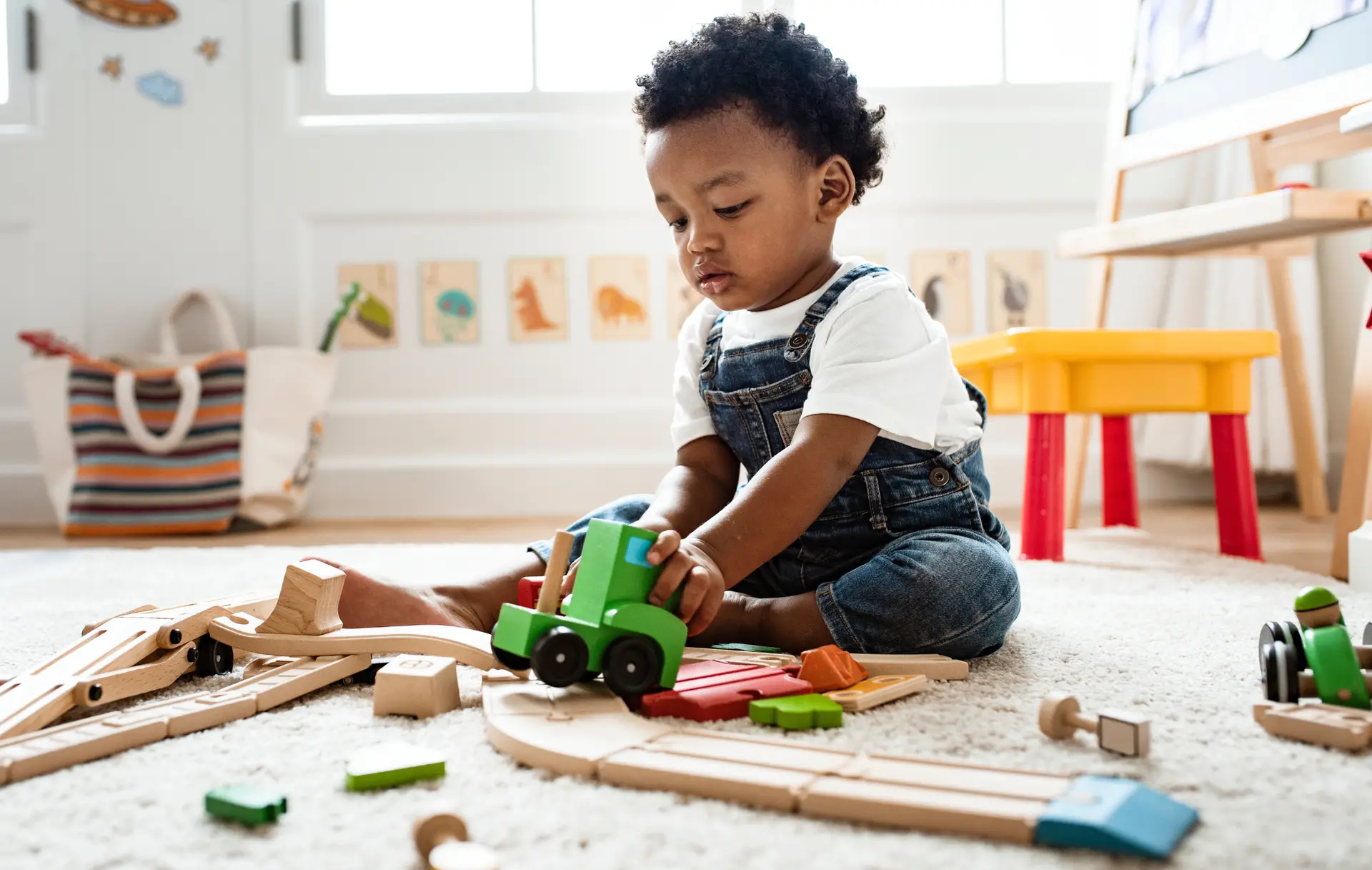
Toddlers in this phase are often busy practicing walking, climbing, carrying, pushing, and pulling. They are also beginning to imitate everyday actions and understand simple instructions.
Active & Pretend Play: Sturdy push-and-pull toys, large building blocks, nesting cups, simple puzzles with knobs, toy vehicles, balls, and pretend household objects (like toy phones, child-safe brushes, play food, or small brooms).
Music & Rhythm: Simple instruments such as drums, shakers, and xylophones encourage rhythm, listening, coordination, and self-expression.
Learning Through Repetition: Toddlers may repeat the same activity many times. Repeating actions helps young children understand patterns, develop coordination, and gain confidence in their abilities.
As toddlers approach age two, their vocabulary expands and pretend play becomes more noticeable. They may feed a doll, place a toy animal in a bed, or pretend to talk on a phone.
Imagination & Caring: Dolls, stuffed animals, play kitchens, toy dishes, dress-up items, and animal figures give toddlers opportunities to imitate routines, explore feelings, and practice caring behaviors.
Early Art: Large crayons, washable finger paints, chunky chalk, and reusable drawing boards introduce early creative expression. The process of creating matters more than the finished result.
Problem-Solving & Safety: Simple matching games, peg puzzles, and sorting activities help toddlers recognize colors, shapes, and animals. Ensure all toy pieces are large enough to avoid choking risks.
Two- and three-year-olds often want to do things independently. They are developing stronger language skills, improved coordination, and more complex pretend-play ideas.
Open-Ended Toys: Building blocks, train sets, toy animals, playhouses, dolls, and pretend food allow children to create their own stories and solutions.
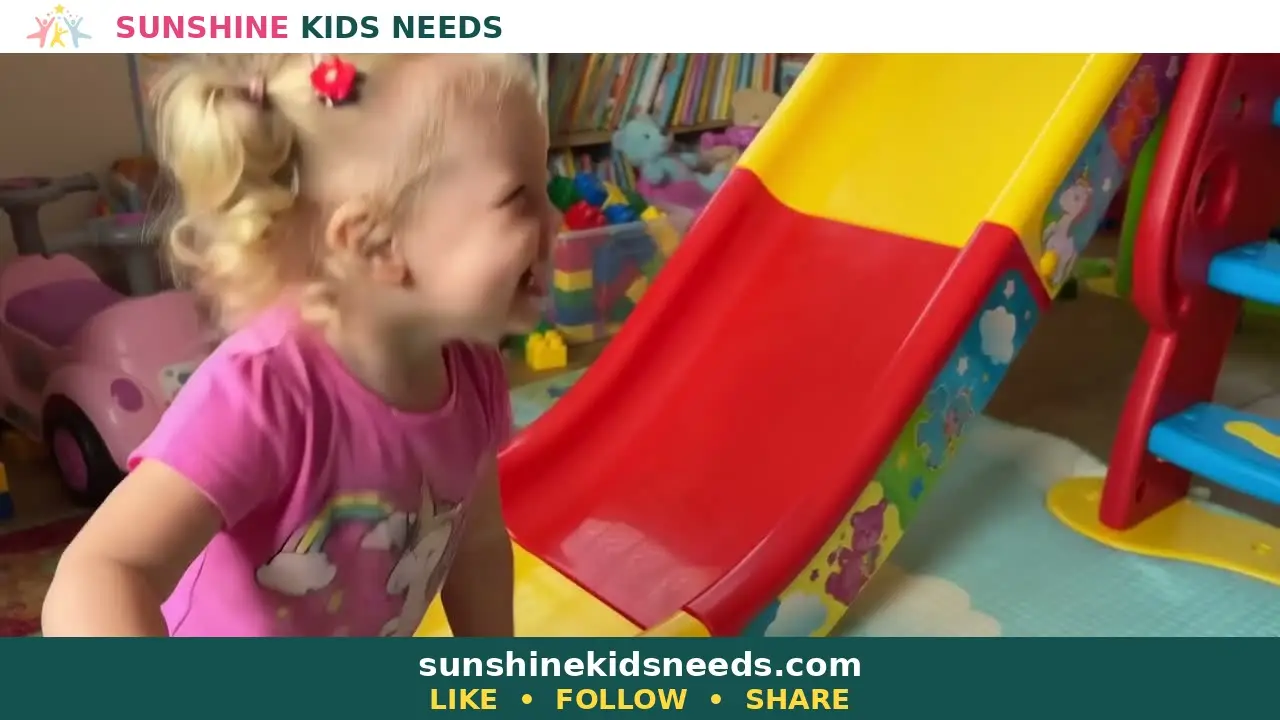
Active Play: Ride-on toys, balance toys, tunnels, climbing structures, and child-sized balls for kicking, throwing, and catching support large-muscle development.
Fine Motor Skills: Puzzles with several large pieces, color-sorting toys, counting objects, modeling dough, stickers, and safety scissors help introduce early thinking skills and strengthen writing muscles.
Preschool children become more imaginative and social. They may create detailed pretend scenarios, ask many questions, and begin playing cooperatively with other children.
Role-Play Gear: Costumes, puppets, play tents, pretend stores, doctor kits, tool sets, and kitchen sets allow children to experiment with language, relationships, and familiar situations.
Thinking & Logic: Construction sets, interlocking blocks, age-appropriate science kits, complex puzzles, and simple board games teach planning, matching, counting, memory, cooperation, and turn-taking.
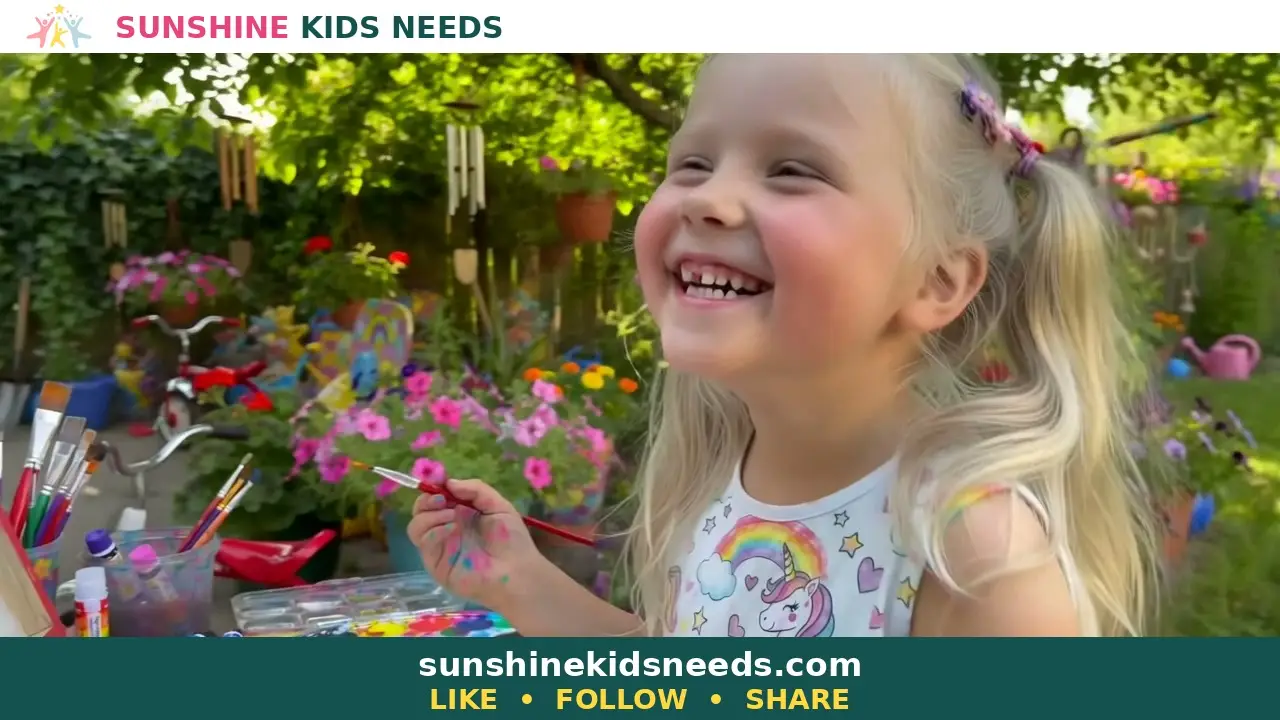
Outdoor & Creative Play: Bicycles with protective gear, scooters, balls, chalk, gardening tools, sand toys, paint, glue, beads, stamps, and musical instruments encourage movement and self-expression.
Early elementary-aged children often enjoy completing projects and mastering new skills across reading, writing, numbers, science, construction, sports, music, or art.
Skill-Building Kits: Building kits, beginner craft sets, science experiments, coding toys, puzzles, and strategy games maintain interest without causing constant frustration.
Reading & Audio: Choose books reflecting the child’s reading ability, and continue reading aloud or using audiobooks to support vocabulary and imagination.
Physical & Team Play: Sports equipment, jump ropes, bicycles, outdoor games, and cooperative games teach teamwork, coordination, and confidence.
Children between eight and ten often have clearer preferences and may spend longer periods working on a single activity to deepen their interests.
Advanced Projects: Advanced construction sets, detailed craft kits, robotics, model-building, strategy games, science tools, sketchbooks, jewelry-making sets, beginner sewing kits, or musical instruments.
Social & Active Play: Group games, outdoor equipment, team sports, hiking, cycling, swimming, and skill-based activities encourage physical health and social interaction.
Responsibility: Gardening kits or age-appropriate cooking tools used with adult supervision encourage independence and care.
Older children and preteens may no longer refer to their hobbies as “playing,” but recreational activities remain crucial for their well-being.
Creative Outlets: Complex building sets, advanced art supplies, electronics projects, musical instruments, sports gear, strategy board games, and creative digital tools (for animation, music production, coding, design, or photography).
Hands-On Balance: Traditional hands-on activities provide a valuable counterweight to screen-based entertainment.
Family Connection: Shared board games, family projects, and outdoor adventures help maintain strong bonds as preteens become more independent.
Check Safety Ratings: Always review manufacturer age recommendations and inspect toys for loose pieces, sharp edges, damaged batteries, or long cords.
Hazard Alert: Keep button batteries and high-powered magnets securely enclosed and completely out of reach, as they cause severe injuries if swallowed.
Quality Over Quantity: A smaller collection of versatile, engaging toys is better than an overcrowded playroom. Rotate available toys periodically to renew interest.
Human Connection First: Remember that toys are tools for play—not substitutes for human interaction. Conversations, outdoor exploration, and playtime with caregivers support development in the most powerful ways.